
Trusted Padel Court Solutions for Schools
Give your students another way to get involved in the world's fastest-growing sport, with a padel court designed around your school’s space, budget and facilities plans. SPG works with your team from initial site assessment through to construction and handover.
How we can help
With over 30 years of sports surface experience, our team helps schools plan and build padel courts that suit their site, budget and sporting programs. We provide a complete solution, from initial planning and site preparation through to court installation, surfacing, lighting and finishing.
Whether your school is expanding its sporting facilities or exploring how to make better use of an existing area, we can help assess the options. We construct both indoor and outdoor padel courts, with designs tailored to your available space and requirements.
We work with your school’s leadership and facilities team, alongside your builders, architects and project managers, to coordinate the project from start to finish. As part of the planning process, we can discuss construction timing and site access to help minimise disruption to school activities.
Considering a padel court for your school? Contact our team to discuss your site and explore the options.

Frequently asked questions from educators
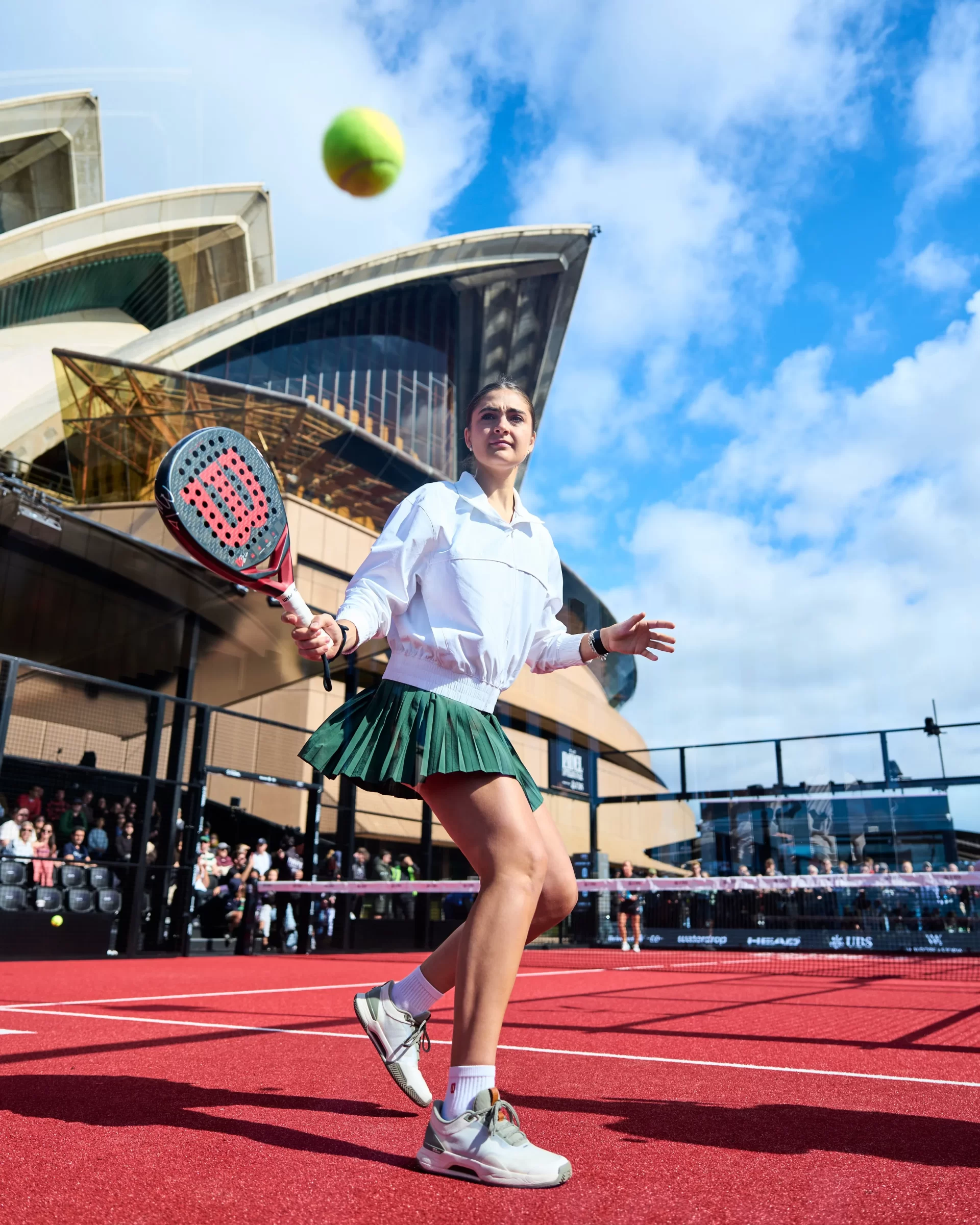
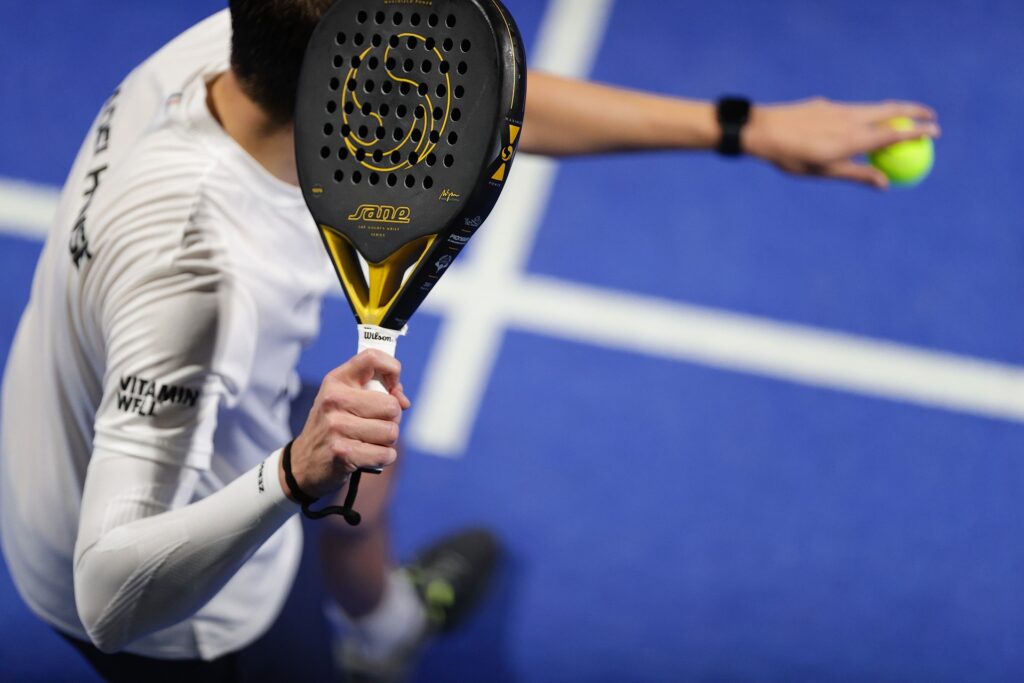
Padel blends the best of tennis and squash. It’s played in a smaller, enclosed court, so rallies are fast and students get plenty of touches on the ball. It’s easy to pick up, so students of all ages and abilities can enjoy it from their first session, and it’s played in doubles, which makes it social and team-based.
Synthetic turf is the standard surface and the usual choice for championship play. It’s durable, consistent and suits regular use by lots of students. Acrylic surfaces are also an option, and a court can be tailored to your school’s needs and budget.
A competition-standard court, including earthworks and lighting, is around $100,000. This is an indicative figure only, as the final cost depends on your site conditions and goals. A site inspection will give you a firm number for your school.
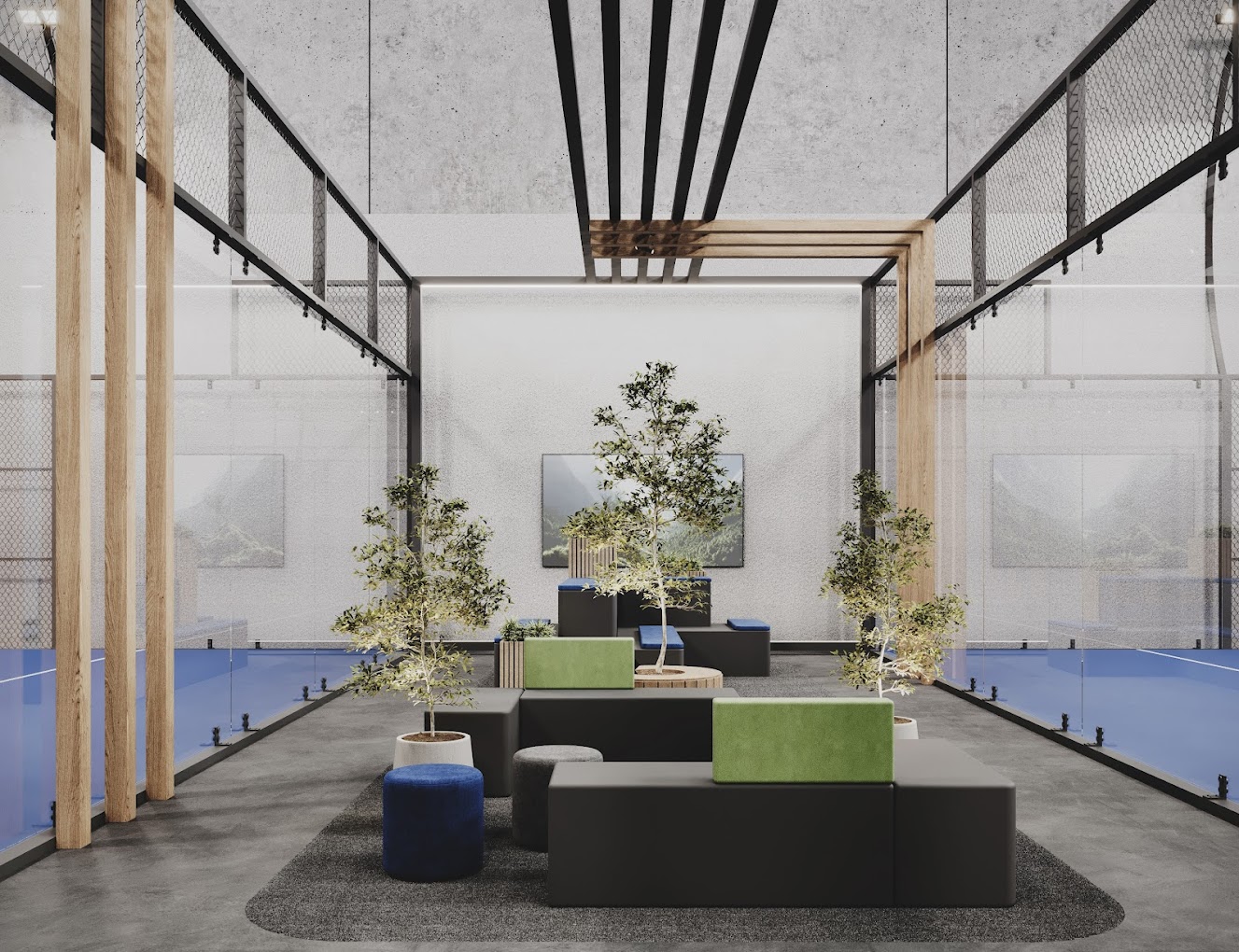
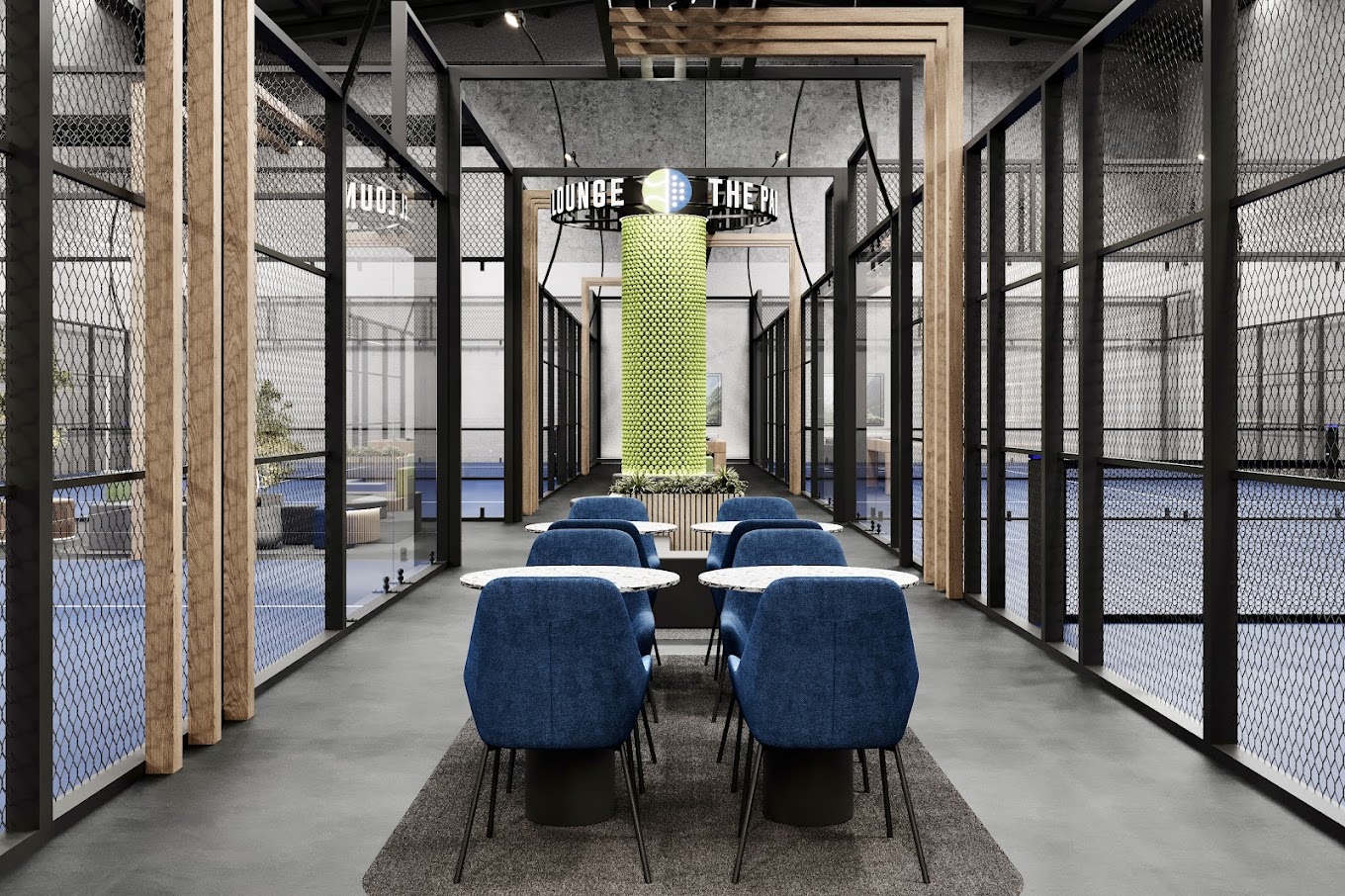
Both work for schools. Indoor courts use a lighter engineered system because there is little to no wind loading, so they can be slightly cheaper in materials, and they can be used in poor weather. Outdoor courts can be covered or uncovered. If your school already has a covered area or hall, an indoor option may be worth exploring.
A standard padel court measures 20 metres long by 10 metres wide, which is smaller than a tennis court. The court is fully enclosed with glass or mesh walls up to 4 metres high, so you’ll also need some extra room around it for access.
With that said, every school site is different. With decades of experience in sports court construction, our team can work with you to fit a padel court to your school’s available space.
Our team and network have extensive experience and capability for the maintenance of Padel courts across Australia. Please refer to our maintenance page for more information.
testimonials
Pioneers of Padel in Australia

Could a padel court work at your school?
Padel is easy to learn and fast to play, making it a great fit for children of all ages. Thanks to its unique format, it is widely recognised as the fastest-growing racket sport in the world.
It works well in PE and school sport. Padel is played in doubles, so students rally together rather than waiting for a turn, and the walls keep the ball in play so students get plenty of touches. Beginners can rally within their first session, which suits mixed-ability classes.
Padel courts also have a smaller footprint than tennis courts, so they can fit into spaces where a full tennis court wouldn’t, and more games can be played in the same area.